
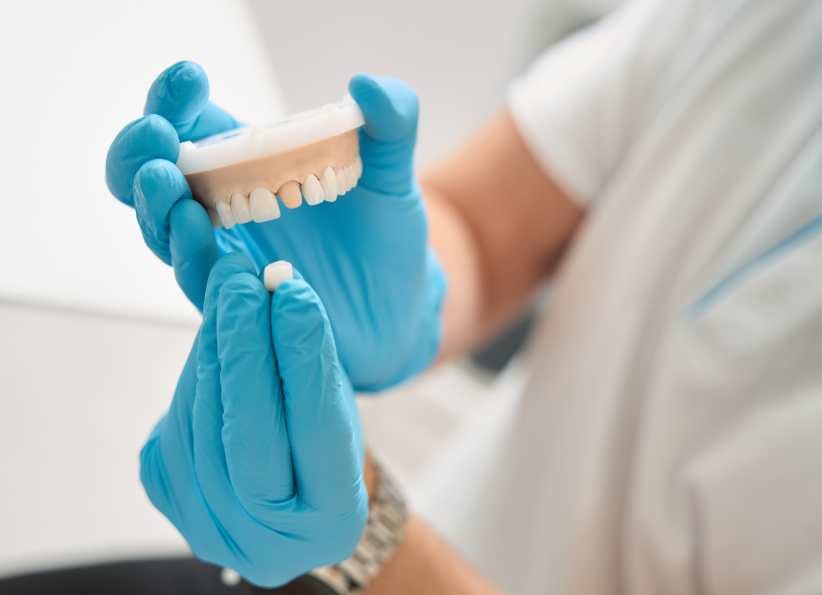
Getting a dental crown is a common and highly effective way to restore a damaged or weakened tooth. While the procedure itself is routine, it’s normal to experience some sensitivity or mild discomfort afterward as your mouth adjusts. The good news is that recovery is typically smooth, and most patients feel back to normal within just a few days.
Knowing what to expect after your appointment can make the healing process feel much easier and less stressful.
What the First Few Days of Recovery Feel Like
After receiving a dental crown, it’s common to experience temporary sensitivity, especially to hot and cold temperatures. This happens because the tooth and surrounding tissue need time to settle after being reshaped and fitted for the crown.
You may also notice mild gum tenderness around the treated area. This usually improves within a few days as the gums begin to heal and adjust to the new restoration. In most cases, any discomfort is manageable with over-the-counter pain relief if needed.
Adjusting to Your New Crown
It can take a little time to get used to how your crown feels when biting or chewing. At first, it may feel slightly different from your natural teeth, but this sensation typically fades as you adjust.
If your bite feels uneven or uncomfortable after a few days, it’s important to contact your dentist. A small adjustment may be needed to ensure proper alignment and comfort.
Caring for Your Crown During Recovery
Good oral hygiene is essential after getting a crown. Brushing gently twice a day and flossing carefully around the crowned tooth will help keep the area clean and prevent irritation.
It’s also a good idea to avoid very sticky or hard foods during the first few days. This gives the crown time to fully settle and reduces unnecessary pressure on the tooth.
Managing Sensitivity and Discomfort
Mild sensitivity is one of the most common side effects after crown placement. Using a toothpaste designed for sensitive teeth can help ease discomfort. Avoiding extreme temperatures in foods and drinks can also make the adjustment period more comfortable.
If sensitivity persists beyond a couple of weeks or worsens over time, it’s best to check in with your dental provider to ensure everything is healing properly.
When to Contact Your Dentist
While recovery from a dental crown is usually straightforward, there are a few signs that should not be ignored. Persistent pain, a crown that feels loose, or discomfort when biting may indicate that an adjustment is needed.
Reaching out early helps ensure that small issues are addressed quickly before they become bigger concerns.
Recovering from a dental crown is typically a simple and manageable process. With a little patience and proper care, most patients adjust quickly and enjoy the long-term benefits of a stronger, more protected tooth.
About the Practice
PeaksView Dental provides comprehensive restorative and general dentistry services, including custom dental crowns designed to restore strength, function, and aesthetics to damaged teeth. The practice focuses on patient comfort, precision care, and long-term oral health outcomes. Our team welcomes new patients with expert dental care in Bedford.
Call us at (540) 586-8106 or schedule your appointment online.